
CANADIAN IMMIGRATION LAWYERS
PRACTICING IMMIGRATION LAW IN TORONTO HELPING THOUSANDS FACILITATE
THEIR IMMIGRATION TO CANADA
- Get legal services in your language: English, French, Mandarin, Farsi, Spanish
- Get the expert help you need to immigrate to Canada
- Get the support and advise you need for your immigration case
Canadian
Immigration Lawyer
in Toronto
We are the guardians of your rights when dealing with the decision makers at Immigration, Refugee and Citizenship Canada, the Canada Border Services Agency and at the Federal Court. Our immigration attorneys in Toronto will serve and protect your rights with integrity, experience, professionalism and diligence. We help you navigate the complex waters of the Canadian Immigration System.
Located in the heart of Toronto, we have a team of savvy Canadian immigration attorneys providing Legal immigration services to both Canadians and future Canadians from all walks of life. Whether you are an individual or a business we are prepared and dedicated to serve you.
About Us
Looking for an immigration attorney in Toronto? You’ve landed at the right place!
The Chaudhary Law Office has Canadian Immigration Lawyers located in Toronto, Canada ready to help you with your immigration matter.
Our office exclusively practices in all areas of Canadian Immigration and Refugee Law. Whether you are applying for a temporary resident visa, refugee protection, permanent residence, citizenship, dealing with inadmissibility issues, appealing a matter at the Immigration Refugee Board or are seeking judicial Review our dedicated lawyers can provide you relevant advice and guidance in all Canadian Immigration and Refugee matters.

Services

Judicial Review
Judicial Review at the Federal Court, refused applications outside of Canada, no right of appeal and refused Appeals

Citizenship
A Canadian passport is highly prized. It facilitates ease of entry into many countries both developed and benighted.

Notary Services
Notarization and Certification of Documents Services Offered.

Inadmissibility
such as criminality, misrepresentation and medical reasons.

Temporary Residence
such as Visitor Visa’s, Study permits and Work Permit’s to Canada

Name Change in Ontario
In Ontario you can Apply for a Name Change if you are 16 years of age or older and you have lived for the past 12 months in the Province of Ontario

Refugee Protection
Refugee Protection and Person in Need of Protection in Canada. Get assistance from one of the best Refugee lawyers in Toronto.

Permanent Residence
such as Family sponsorship, Express Entry programs (Federal Skilled Workers, Canadian Experience Class), Provincial Nominee Programs, Business and Investment Immigration to Canada

Appeals
which included the Immigration Appeal Division and the Refugee Appeal Division

Interpol Data Search and Correction Request
Some individuals may be concerned that information about them is contained within the information system of Interpol.
Testimonials












Frequently Asked Questions
Can you answer my immigration question?
We can answer an immigration question if we have sufficient facts. Obtaining those facts requires an understanding of your history. This history may include: employment, education, travel, previous interactions with government officials, family background, and other facts. The amount and variety of this information typically requires a consultation. On the other hand, some questions have short answers and may be answered by referring to the website: www.cic.gc.ca . We would refer you to that website for questions that have short general answers.
Why do I have to pay for a consultation?
How much is a consultation?
My Immigration case got refused, how long do I have to contest my case?
What is the financial requirement to visit Canada?
Am I eligible to sponsor?
Media Coverage





Recent Posts

The Warmest Cities in Canada
Canada is renowned for its cold weather, but newcomers seeking…
Read More
Best Places to Live in Canada
Canada boasts stunning natural beauty and diversity. It's a famous…
Read More
How to convert a Canada visitor visa to a work permit?
With its diverse opportunities and vibrant culture, Canada attracts visitors…
Read More
Canada Vs USA: Which Nation is the Perfect Place to Call Home?
The ongoing discussion about whether to move to Canada vs…
Read More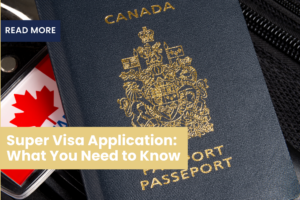
Super Visa Application: What You Need to Know
A super visa is a multiple-entry visitor visa designed exclusively…
Read More
Canadian Citizenship Revocation: What You Need to Know
Canadian citizenship revocation is a serious and complex matter with…
Read MoreAssociations




Media

You may also
Book your consultation by filling out the form below
Our Service Areas
- Richmond Hill
- Hamilton
- Toronto
- Kitchener
- Vaughan
- Mississauga
- Newmarket
- Niagara Falls
- Ajax
- North York
- Oshawa
- Peterborough
- Waterloo
- Windsor
- Markham
- Orillia
- North Bay
- Barrie
- Oakville
- Kingston
- Pickering
- Brampton
- Etobicoke
- Scarborough
- Guelph
- Sudbury
- Brantford
- Burlington
- Belleville
- Thunder Bay
We Have a Great Resource

